Fiber optic networks are the backbone of modern telecommunications, and ensuring their performance requires accurate testing and troubleshooting. Proper fiber optic testing is essential to maintain high-speed connectivity, minimize downtime, and extend the life of network infrastructure. Key tools in this process include Optical Time-Domain Reflectometers (OTDR), power meters, visual inspection techniques, and fusion splicers, each playing a critical role in diagnosing issues and verifying network quality.
OTDRs allow engineers to measure signal loss along a fiber link, identify faults, and locate breaks or splices with precision. Power meters help assess the strength of optical signals, ensuring that transmitted light meets required standards for both single-mode and multi-mode fibers. Visual inspection, often done with fiber microscopes or inspection scopes, is equally important, as even minor contamination or defects at connector end faces can cause significant signal degradation.
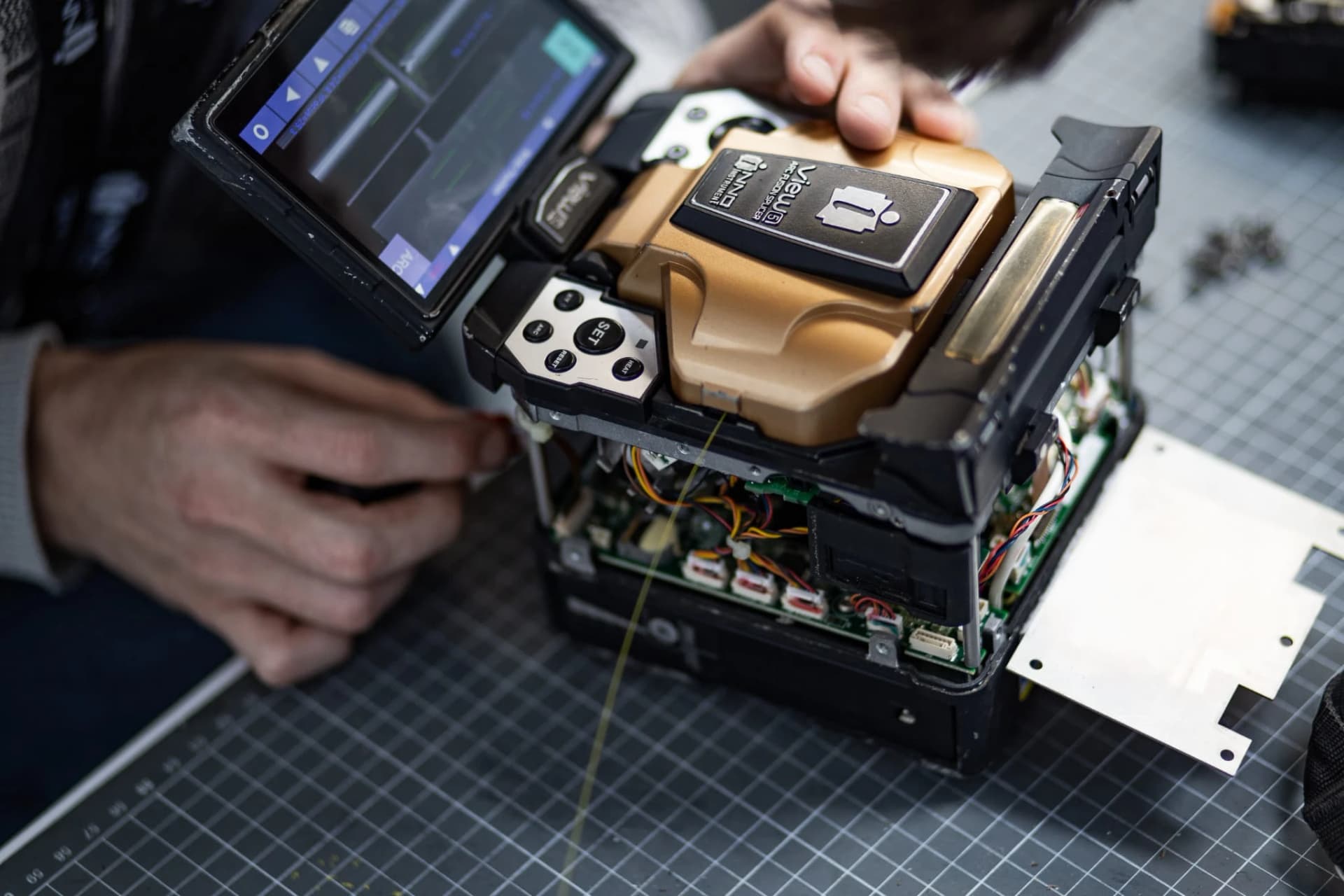
Fusion splicers are essential for permanently joining fiber ends with minimal loss and reflection, ensuring a reliable and seamless connection. Best practices in fiber optic testing include routine inspection before installation, documenting baseline measurements, performing OTDR testing after splicing or connector installation, verifying signal power levels throughout the network, and using fusion splicers properly to maintain low-loss connections.
Combining these techniques helps prevent failures, optimize performance, and reduce troubleshooting time when issues arise. For network operators, service providers, and engineers, mastering fiber optic testing and troubleshooting—including OTDR, power meters, inspection, and fusion splicing—is critical to maintaining reliable, high-speed communication networks and ensuring that growing demands for bandwidth, cloud services, and IoT applications are met without interruption.